The Braids Look Beautiful in the Photo. But Will They Work for Your Everyday Life?
An appealing social media photo tells you how a hairstyle looks, not how it fits into a busy week. Picture someone who works long shifts, exercises several times a week, and prefers keeping her hair away from her face. She might love the overall look of braids that reach the waist, but the extra weight and upkeep could become frustrating. Another customer planning a special event might consider that same level of effort worthwhile.
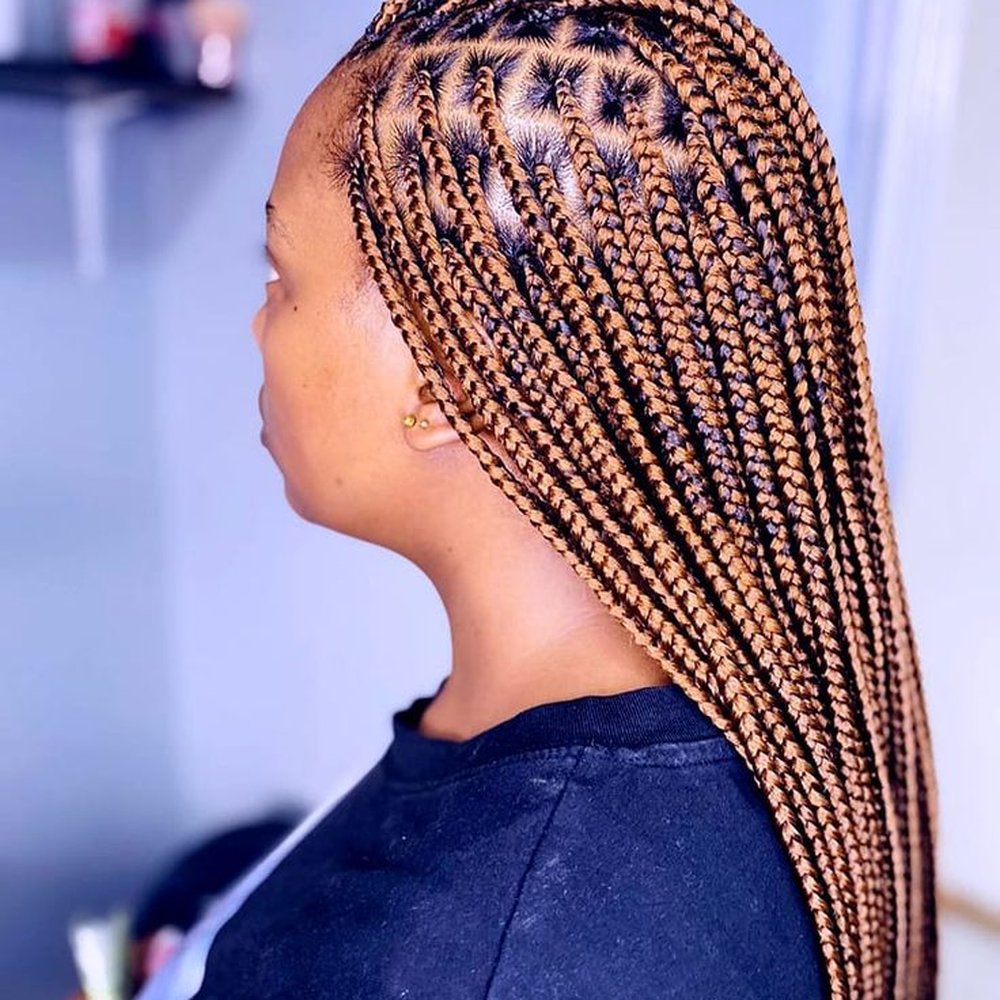
Neither person needs the same braiding appointment. When visiting a West Houston braiding salon on Westheimer, start by explaining your everyday activities and expectations before settling on a particular look. Discussing routine and comfort first gives the stylist more information than a picture alone can provide.
Choosing Braid Size With Your Schedule in Mind
Choosing braids can reduce the time spent styling hair each morning, but not every braid size requires the same commitment. Small knotless braids involve many individual sections and create a finely detailed appearance. That detail allows styling versatility, but clients should allow additional time for installation and removal.
Medium knotless braids provide a balance between visible braid definition and the number of sections involved. Large knotless braids use fewer sections and create a more prominent, bold style that may suit someone seeking a simpler overall finish.
Before choosing a length or braid size, clients at WOW African Hair Braiding Westheimer can ask how the options differ. Reference photos help communicate the appearance you want, but they do not show the quantity of extension hair involved or the sensation of wearing the completed braids.
Comfort Matters as Much as the Finished Style
A polished braid style does not require uncomfortable pulling. That belief can be harmful: too much pulling may irritate the scalp and contribute to traction alopecia, which is hair loss linked to repeated tension.
If your scalp hurts during installation, tell your stylist immediately. Pain should not be treated as a normal requirement of braiding. Hairline sensitivity, your own hair condition, braid length, and added-hair weight all deserve consideration. Customers who regularly wear their braids in buns or ponytails should also discuss how those styling habits may affect tension around the edges. If you expect to wear high buns or ponytails often, mention that before installation so the potential pull around your edges can be discussed.
Plan for the Hair and Care Behind Goddess Braids
Loose curly strands woven through braids can create a softer, more textured appearance than traditional box or knotless braids.
Two styles described as Goddess braids may look different because the loose curly strands, extension materials, and placement are not identical. Customers interested in Goddess Braids in West Houston should confirm the exact style and required hair before their appointment.
For some Goddess or Boho appointments, clients must supply human hair with a wavy texture because the salon does not stock the hair required for those designs. Certain designs call for wavy human-hair extensions that customers need to bring themselves. Ask about caring for the free-flowing curls as well, since their ongoing care may differ from that of the braids.
Braiding Options for Different Ages and Preferences
There is no single braid style that meets every family member’s needs. Some customers want a practical protective hairstyle for everyday wear. Others prefer intricate patterns, twists, or a distinctive look for a special event.
Serving Houston’s Westchase and Briar Forest area, WOW African Hair Braiding welcomes clients of different ages, including women, men, and children. The salon’s braiding services on Westheimer cover both classic and modern looks, including box-braid styles and knotless braiding. Clients can discuss a familiar box-braid look or a knotless option while considering the practical details of the intended style.
Talk Through the Practical Details Before Booking
Think about your preferred braid length, how long you can comfortably sit for an appointment, and the amount of care you can manage each day. Decide what length appeals to you, how much installation time fits your schedule, and what daily upkeep you are willing to do. Bring reference images that clearly illustrate your desired preferred length and size. A few carefully chosen examples can communicate more than a single image that shows only the finished hairstyle from one angle.
Tell your stylist if previous braids caused pain or if your scalp or hairline is sensitive. The right braiding appointment should produce more than an attractive hairstyle. Choose a look that works with your daily activities, takes your natural hair into account, and does not sacrifice comfort for the photograph. The aim is to leave with braids you enjoy wearing, not merely a design that looks impressive immediately after the appointment.