
In the vast realm of industry the titanium dioxide compound, referred to as TiO2, titanium white, or Pigment White 6 (PW6) shines like a bright star, specifically when it comes to papers, plastics, paints and rubber. This versatile substance, famous for its brilliant white color, plays a pivotal role in transforming raw materials into stunning finished products. Let’s explore the fascinating properties of titanium dioxide, examining its potential applications, manufacturing processes and the impact it can have on different industries.
The Canvas of Titanium Dioxide, A Palette of Possibilities
Titanium dioxide plays a vital part in the production of numerous everyday items. It increases the efficiency and design of these items. As Pigment White 6, it is an essential component in the creation of paints, providing an incredibly opaque and brilliant white color that enhances the intensity and coverage of industrial and artistic designs equally.
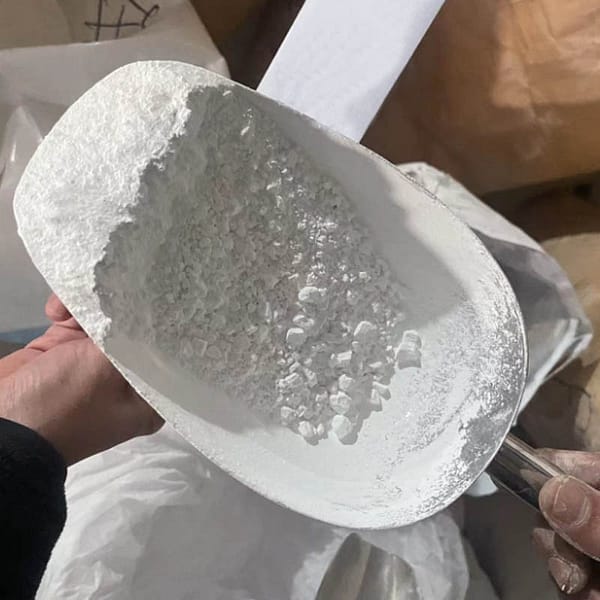
Titan dioxide is employed in the plastics industry to add colour and also serves as a UV stabilizer, shielding against harmful ultraviolet radiation. This dual functionality makes it a vital component of many plastic products including packaging materials and durable outdoor items.
The Manufacturing Alchemy: Titanium Dioxide Production Processes
Production of titanium dioxide is a complicated procedure, and two techniques are most popular methods: the sulfuric acids method and chlorination method. Each method comes with its own uses and intricate details that contribute to the many applications titanium dioxide can be utilized across various industries.
Sulfuric Acid Method. This involves the reaction of the ore that contains titanium with sulfuric acids, resulting in a titanium sulfate. This solution is later hydrolyzed in order to produce hydrated titanium dioxide. The final product, after calcination, is an extremely fine white powder ready to be incorporated into many applications, especially in the paint and paper industries.
The Chlorination Method: By contrast, the chlorine method makes use of chlorine gas to react with titanium-bearing minerals, creating titanium Tetrachloride. Through a series of chemical transformations, titanium tetrachloride is oxidized to produce pure titanium dioxide. This process is a major factor in the manufacture of titanium dioxide for the rubber and plastics industries.
Titanium Dioxide Applications: Art and Science
Paint Brilliance Across Industries: Titanium dioxide’s prominence in the paint industry is unparalleled. The ability of titanium dioxide to provide a bright white color with good coverage, makes it an ideal option for residential and industrial applications. The brilliant white color it imparts to canvas is not just an aesthetic effect however, it also serves as a functional. It increases the durability of painted surfaces.
Shaping Plastics with Radiance: In plastics, titanium dioxide serves a dual purpose. Apart from its use as a white colorant titanium dioxide acts as a UV stabilizer, providing crucial protection from the degrading effect of sunlight. This makes titanium dioxide an essential ingredient in the manufacturing of outdoor plastic products, ensuring they maintain their structural integrity and aesthetic appeal over time.
In the paper business,, titanium dioxide contributes towards the transparency and clarity of papers. The addition of titanium dioxide increases the quality of the paper and makes printed materials more vivid and easy to read. The function of titanium dioxide in the paper-making process is more than aesthetics. It’s essential in improving the quality of printed material.
Rubber Resilience and UV Resistance: The rubber industry gets benefit from the UV resistance that titanium dioxide offers. In the rubber industry, particularly those that are exposed outdoors, titanium dioxide acts as a shield against the damaging effects of ultraviolet radiation, which ensures the durability and efficiency of rubber-based products.
Titanium Dioxide: Beyond Pigment Its Invisible Impact
Although titanium dioxide’s influence is evident as a colorant it is much more than the color of the material. Due to its ability to enhance the strength, durability and endurance of various all kinds of materials It is an insignificant but vital contributor to quality and functionality.
In conclusion titanium dioxide emerges as a substance of profound significance as it seamlessly blends into the fabric of a variety of industries. In the form of Pigment White 6, it is a brilliant paint that can be applied to canvas that are both industrial and artistic. The two processes of sulfuric acid and chlorination reveal the secret of the process, providing that it can be used in a variety of ways. Titanium dioxide is a perfect illustration of the harmonious blending between science and art that is present in the production of. It is used to enhance the appearance of paints, protect plastics from UV rays or increase the brightness of papers. The brilliance of titanium dioxide illuminates the world around us, changing many products into those that last and brilliant.