
In the case of maintaining the septic tank, a lot of homeowners don’t realize the importance of risers for septic tanks. These easy-to-use, yet essential elements make it much easier to access the system for regular maintenance and inspections. The addition of risers to your septic system can eliminate the necessity of digging up the ground for every service. This saves you time and money, while also decreasing the disturbance to your landscaping. The risers on tanks for septic also decrease the possibility of injuries or accidents during maintenance since they offer a safe access point to the tank.
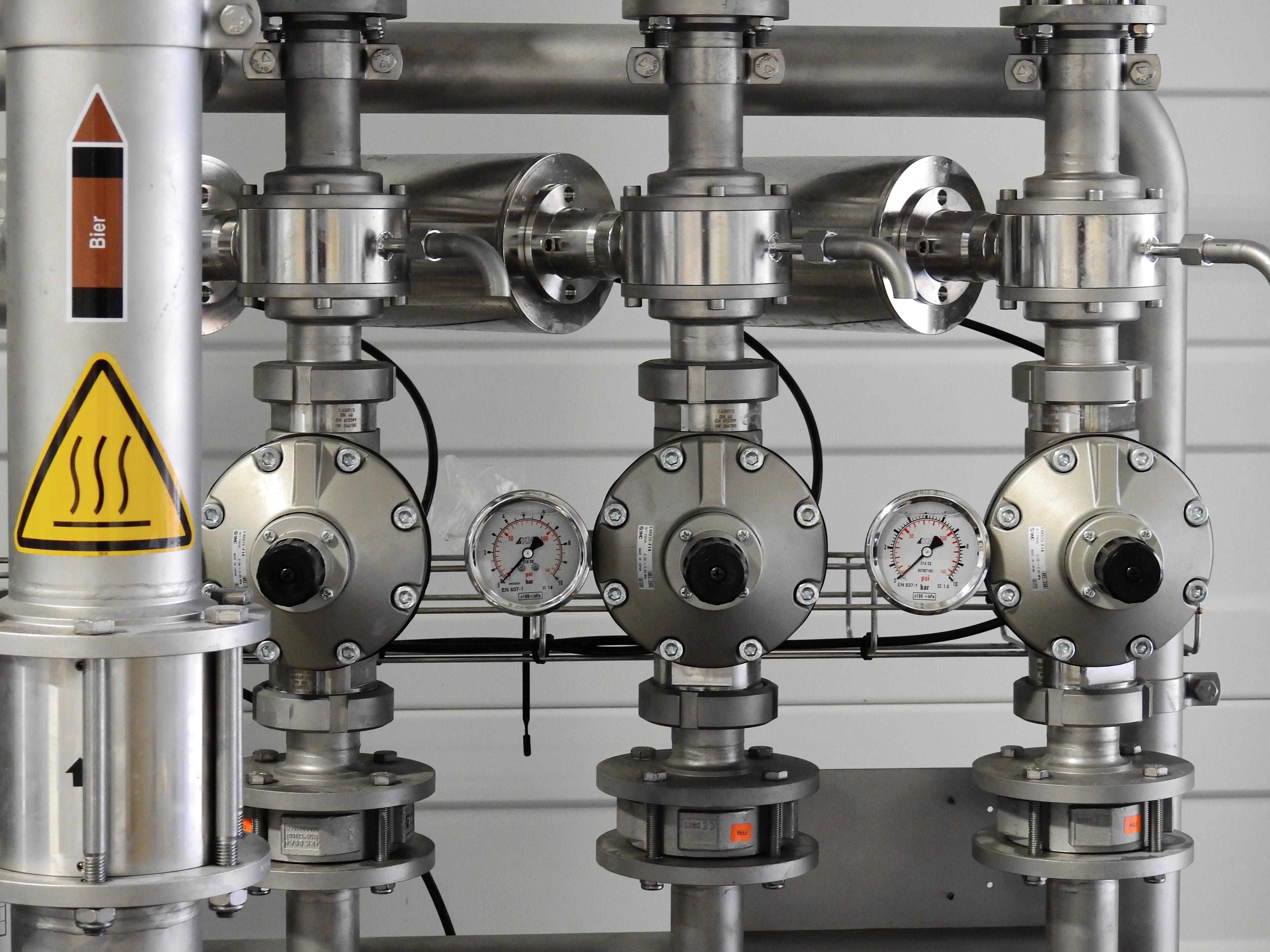
Effluent management is another critical aspect to maintaining a healthy system of septic. Effluent is the waste liquid which flows from the septic tanks to the drain fields to be treated further. The mixture of bacteria, organic matter and water are known as effluent. The solid particles in the effluent might sink to the bottom of the tank over time, and result in a sludge layer. If not treated quickly, this sludge will become a problem and cause obstruction to the system, leading to backups, foul odors and destruction to the drainage field. Regular pumping and control of effluent ensures that the septic tanks operate effectively, preventing blockages and extending their lifespan.
The proper drainage is a crucial element of the septic system’s functionality. If wastewater is discharged from your house and enters the septic tank, it undergoes an natural process of separation. Solid waste settles on the tank’s bottom, while lighter substances and oils can float to the top, forming the scum layer. The liquid waste, referred to as effluent or water, exits the tank to go into the drainfield to further filter. A well-designed drainage system allows for smooth effluent flows which prevents flooding and backups. The drainage pipes must be free of any obstructions, such as roots or other debris that may block the flow of effluent. Regular inspections and maintenance of the drainage system will assist to prevent expensive repairs and pollution to the environment.
Picking the right septic system for your house is a crucial decision that could have long-term consequences regarding your property’s sanitation as well as performance. Before you make a choice, you should consider the following aspects. Find out the size of your septic system by analyzing the average water consumption of your household as well as the number of people living in the home. If you have a huge family or frequently entertain guests, then a larger tank is required. Also, think about the material used to construct the tank. Plastic, fiberglass and concrete are all options that are commonly used. Each has pros and disadvantages based on durability, maintenance, and cost. Additionally, check the regulations and requirements set by your local authorities regarding the installation of septic tanks. Choose a tank which meets all standards required and conforms to the rules. For more information, click Drainage
Find a certified installer of septic systems to assess your property and make expert recommendations based on soil and topography conditions. Be aware of these elements to make sure you select the most suitable septic tank for your home.
For a reliable and healthy system for septic tanks, it’s crucial to ensure that the tank’s operation is properly maintained and is maintained. It is also important to install risers, and maintain proper drainage. Septic tanks function as a primary treatment system for wastewater generated by households, while effluent control ensures that treated liquid waste is disposed of without risk. They can make it easier to maintain the system of septic. Proper drainage ensures a smooth flow of effluent, which prevents system failures. Making these aspects a priority and implementing regular maintenance protocols will ensure that septic systems are ecologically sustainable, efficient, and last for a long time. This ensures a healthy and safe living space.