
A manufacturer wins a major contract. Although the monthly production requirements have risen, the manufacturing facility does not have an increase in floor space or experienced employees. Adding another shift might help temporarily, but it can be a source of new labor or training, supervision and quality-control requirements.
This is a crucial motive behind robotic automation. Robotics does not only replace people with machines. It is able to modify the methods that manufacturers employ to use their current production capacity.
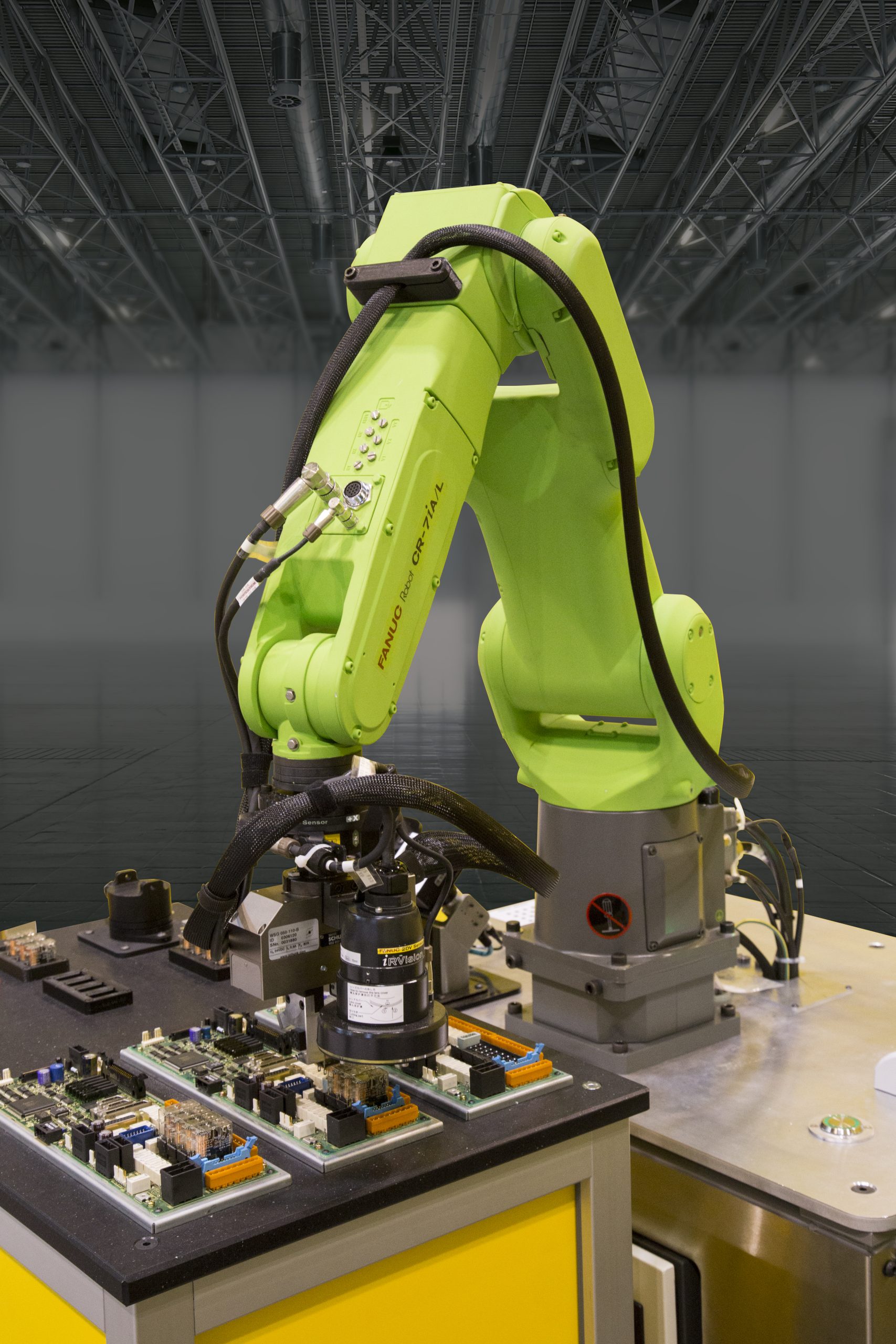
Image credit: automatedsolutions.com.au
Look at the Seconds That disappear between products
Inefficient manufacturing isn’t always evident. A worker may take 15 seconds assembling the component after which 10 seconds are spent applying materials, then a few more seconds moving it to the next step. It may appear to be a small difference for one component. When repeated thousands of times these seconds can turn into important production times.
The same is true for wasted material. Multiplying a small amount of extra coating or dispensing substances in a huge production run could lead to substantial costs.
Companies considering robotic automation Australia projects can benefit from examining these small, repeated losses before deciding what equipment they need. The analysis of needs by ASA aims to uncover bottlenecks as well the quality of work, waste and other process limitations that could impact an automation project.
A Robot Has to Fit the Process Around It
The choice of a robot is only one of the decisions in engineering. The system could also require tools, guarding devices, controls fixtures, conveyors, electronic integration, and connectivity with the existing production equipment. Engineers need to consider the robot’s reach and payload, and how it interact with its surroundings and move around.
ASA provides conceptual development, design of systems and offline programming in its approach to robotic automation. Digital simulation allows engineers to examine configurations and estimate the cycles before the system is operational at the customer’s factory floor. This is particularly useful when there is a shortage of space or if new robotics require to be integrated into existing production lines.
Painting and Dispensing demonstrates why It’s Important to Repeat
Certain manufacturing processes show the value of controlled movement particularly well. Imagine applying a protective coating to hundreds of parts. It’s not enough to complete each piece in a short time. From the time of beginning production to the end, the movement, speed and distance must be controlled.
ASA is a team of experts working in the field of dispensing and painting across all industries, including aeronautics and automotive. In these settings industrial robotic automation could provide repeatable programmed movement and reduce exposure of employees to physical demands or potentially hazardous processes.
A better management of materials that are discarded can aid in productivity improvement by decreasing the amount of unneeded material that is consumed.
Installing the system is not enough. Still, you need someone to keep it running.
Automation doesn’t eliminate the requirement for knowledge in manufacturing. It alters the knowledge required to run and maintain the manufacturing process.
Employees must be able to operate equipment in a safe manner and recognize any abnormalities as well as troubleshoot issues and conduct the necessary maintenance. The demands for production can shift with time, which means that procedures and protocols will need to be adjusted.
ASA offers training on site that covers programming, safety troubleshooting, electrical and mechanical maintenance. Additionally, the company provides maintenance and support on a regular basis to assess the condition of equipment and to address wear and tear over the course of its operating duration.
Capacity goes beyond just working faster
The expansion of capacity for Australian manufacturers does not necessarily need to mean purchasing a larger facility or adding additional labor to repeat processes. It’s sometimes more beneficial to inquire about whether the production process can be improved.
ASA is designing and integration of automation solutions since 2002. It assists companies in Australia as well as international projects. The approach is a combination of needs analysis and engineering simulation with FANUC integration as well as training and maintenance.
Automation is not for the sake of it. A system worth investing in should offer a manufacturer measurable results, which include greater reliability in production, better quality, safer processes as well as reduced waste or a higher capacity.