
Certain aspects of homeownership can be hidden until they become a problem. The septic tank is just one of the most important, yet often overlooked element of a home. We tend to ignore it and assume that it can perform its functions without any worry or maintenance. Like any system, septic tank have the potential to last for a long time and eventually need to be replaced.
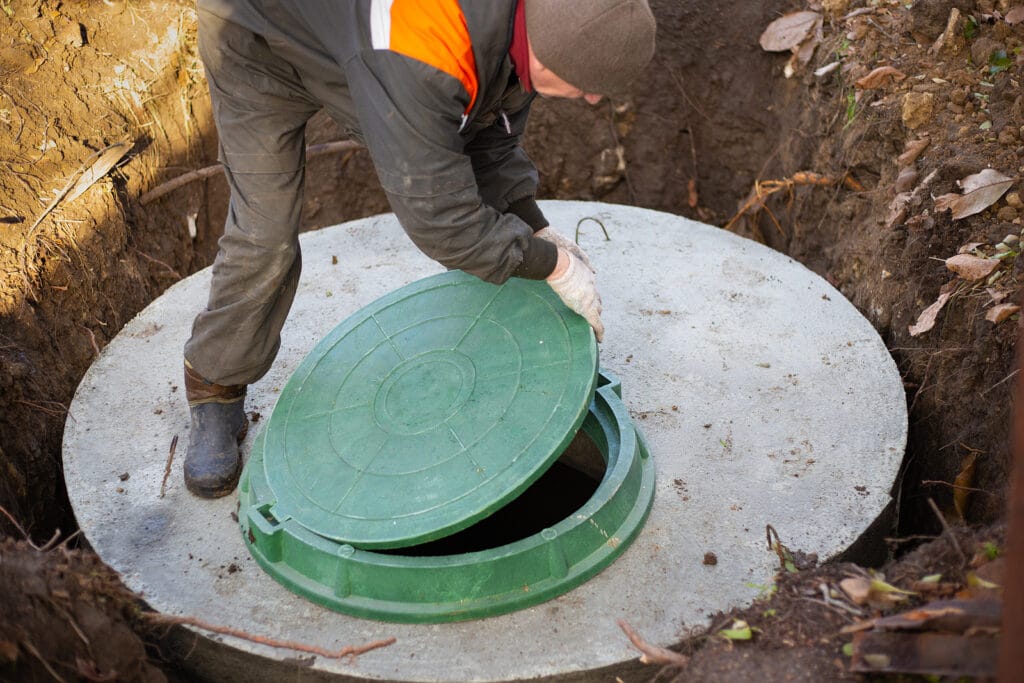
Cost to replace an septic tank is an expensive financial burden for homeowners who aren’t prepared. It is crucial to understand that a variety of factors influence the cost of a the septic tank.
Knowing the real cost of replacing the tank requires considering many aspects that go beyond the obvious cost amount. It’s not merely it’s a matter of dismantling the old tank before installing a new one. The cost will be affected by various services and elements. Each step, ranging from obtaining permits to hiring professionals and digging to the installation is a cost. Homeowners need to budget for this accordingly.
One of the main considerations is the septic tank cost of replacement, which includes the expense of installing a the septic tank and leach field. The price for a new tank will be influenced by the dimensions, the material used, and the complexity of the construction. The price is also affected by the geographical location of the property local laws and soil conditions. Septic experts can analyze your needs and provide an precise estimate. They’ll be taking into consideration things like the size and design of the leach field, and will provide that you have a complete understanding of the total cost involved in the replacement of your septic systems project.
Drainfields or leach fields are yet another cost. This element plays a crucial role in wastewater treatment and dispersal. It is crucial to plan carefully when replacing a damaged leachfield or one that has failed. It can have a significant impact on the price of replacing a septic system. Factors such as the size of the leach field, soil composition and accessibility all affect the expense, making it crucial to take these aspects into consideration when calculating the total cost.
Homeowners should think about the costs associated with the replacement of the tank for septic. The process can disrupt your everyday routine, and require you to temporarily move out of your property or limit the use of water during the installation. Be aware of the inconveniences that could arise during your project, since they can impact your routine and result in extra costs like accommodation or modifications to your schedule.
It’s equally important to realize that maintaining your septic tank on a regular basis is crucial to prolong its life and reducing the chance of premature replacement. Inattention to maintenance can result in more severe problems in the future, like damages to the drainfield, or failure of the tank. The inclusion of septic system maintenance expenses in your budget is a wise investment that can save you money in the long run.
By now, you may have realized that determining the septic tank replacement cost is not a straightforward task. It is a careful analysis of several factors, ranging from the size and the material used in the tank, as well as the complexity of the installation and state of the leach field. Additionally, the location of your property and the local regulations can impact the overall expense. It is vital to seek advice from experts with experience in replacing the septic system.
If you’re thinking of replacing your septic, you may be surprised by the hidden costs. These expenses can be incurred quickly, so it’s important to know about them prior to making a decision.
The following are some of the hidden costs associated with replacing the septic system:
The cost of inspections and permits. Your local government will require permits prior to beginning your work to replace your sewer systems. These permits can be expensive, and you may also have to pay for inspections.
The cost for excavation and removal. The old septic system will need to be removed and dug up prior to the installation of a new system. This is a costly and expensive undertaking, especially in the event that it is difficult to get access to the old system.
Cost of backfilling, Grading. After the old system has been taken out, the hole must be refilled and graded. It is crucial that the drainage system drains correctly.
Costs of landscaping. Once the new system has been put in place, you may require some landscaping work to keep it looking clean and neat. It can be expensive, especially if a landscaper is needed.
When planning for a septic repair, you should include hidden costs. It is possible to avoid unpleasant surprises later by taking your time planning ahead.
The decision to invest in environmentally friendly septic solutions is a smart choice for those who are on a tight budget. They are not only cost-effective alternatives to conventional septic systems but they also aid in conserving the environment by minimizing runoff and decreasing water pollution. These environmentally friendly solutions are now inexpensive and readily available. They’re the most suitable option for those looking to minimize their environmental impact without breaking the bank. Switching to a greener system could mean some initial costs, but they can be easily offset by the savings over time. This isn’t just a trend, but a lifestyle change that everyone should consider if they are committed to protecting our planet’s future for generations to come. With the right systems put in place, you’ll feel secure knowing that you’re contributing for the entire world community while also ensuring that your property will function efficiently and effectively without the need for maintenance, and lower monthly expenses.